
Nyepi, Bali’s annual Day of Silence, is a one-of-a-kind cultural event that brings the entire island to a standstill. For 24 hours, the normally bustling paradise falls into an eerie hush, creating an atmosphere of tranquility and introspection unlike any other. In this blog, we’ll explore what Nyepi is and why it’s significant, paint a picture of the rituals and silence that envelop Bali during this sacred day, and provide practical guidance for travellers planning to experience Nyepi.
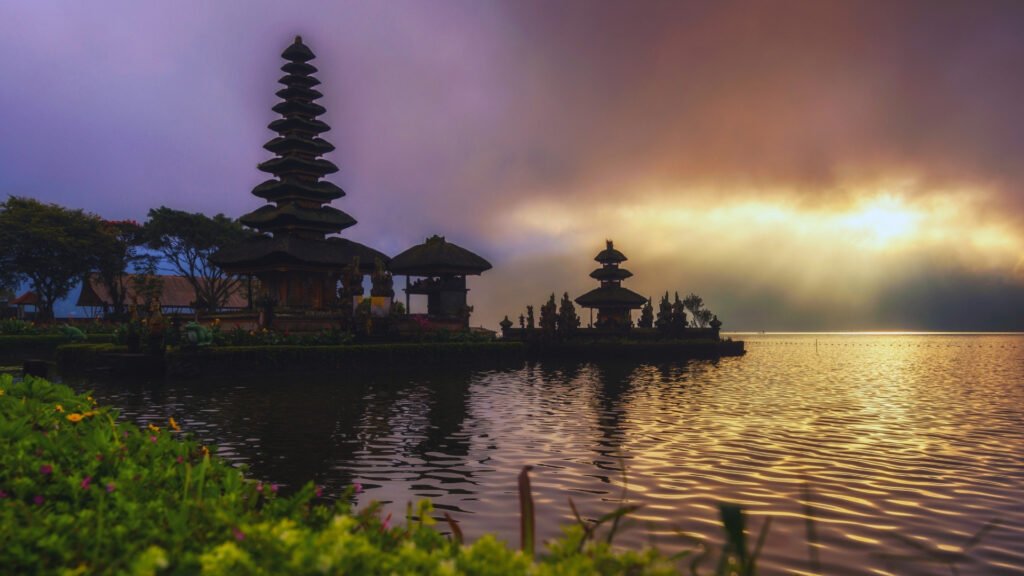
What is Nyepi? – The Balinese “Day of Silence”
Nyepi (pronounced “nyeh-pee”) is the Balinese New Year, celebrated according to the Saka lunar calendar. Rather than fireworks or loud parties, Bali marks its new year in total silence. The word Nyepi literally means “to keep silent”. On Nyepi Day, which usually falls in March (in 2026 it is on 19 March), Balinese Hindus observe strict prohibitions for 24 hours: no work, no travel, no entertainment, and no lights or fire are allowed. This is a day for profound self-reflection, fasting, prayer, and meditation to start the new year with a clean spiritual slate.
Though it’s a Hindu religious observance (and over 85% of Balinese are Hindu), Nyepi’s impact is island-wide – it affects every person in Bali, regardless of religion or background. For one full day, the island’s usual life pauses. Businesses and shops close, roads empty, and even Denpasar’s Ngurah Rai International Airport shuts down completely (a planned closure announced each year). The idea is to create an atmosphere of complete stillness and darkness – according to lore, this fools evil spirits into thinking Bali is uninhabited, so they leave the island in peace for another year.
While Nyepi itself is a single day, it is part of a series of ceremonies and rituals spanning several days.
Two Days Before Nyepi: Melasti
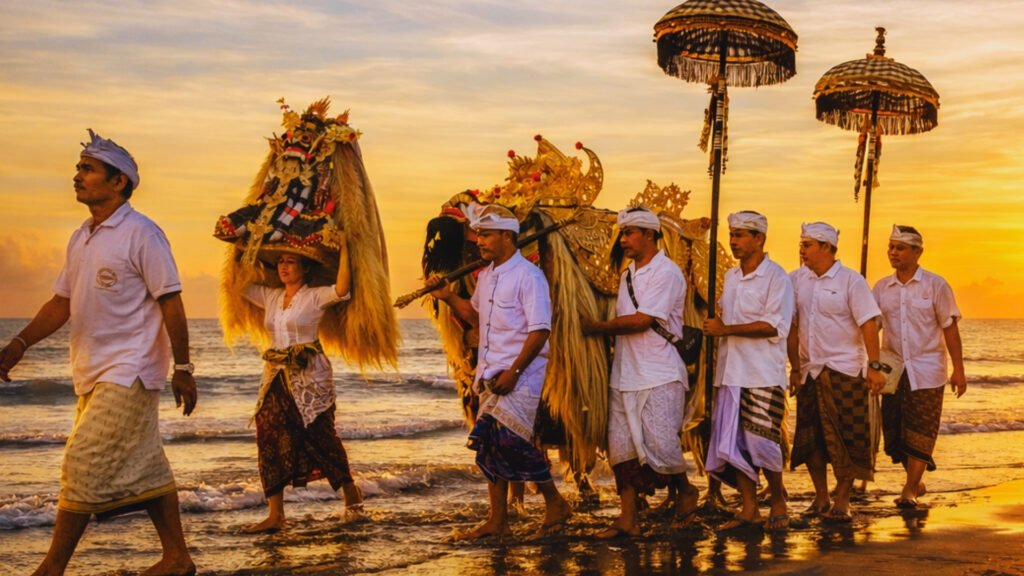
Balinese Hindus perform Melasti, a purification ritual. Sacred temple objects and symbols of deities are carried in long processions to the sea or holy springs for cleansing with holy water. This beautiful ceremony, often held on the beach, symbolises washing away spiritual impurities in preparation for Nyepi.
Nyepi Eve: Ogoh-Ogoh Parades (Tawur Kesanga)
On the eve of Nyepi, the entire island erupts in loud, boisterous processions at sunset. Communities parade giant papier-mâché demons called Ogoh-Ogoh through the streets. Accompanied by gamelan music, drums, firecrackers and torchlight, these frightening effigies represent malevolent spirits. After hours of revelry and dancing, the Ogoh-Ogoh are ceremonially burned, symbolising the banishment of evil from the island. It’s a final burst of noise and chaos right before the next day’s total silence.
Nyepi Day: The Day of Silence
From 6:00 AM on Nyepi to 6:00 AM the following day, Bali shuts down completely. No one is allowed outdoors except security personnel. Fires and lights must be kept off or very dim. The whole island becomes dark and quiet, ideal for introspection. Balinese Hindus stay home to meditate and fast, observing the four main Nyepi prohibitions (no fire/light, no working, no travel, no entertainment) known as Catur Brata Penyepian. Non-Hindu residents and tourists must also comply with the silence rules (though with minor leniencies like low lighting and quiet conversation indoors). It’s effectively a 24-hour island-wide curfew for everyone’s spiritual benefit.
Day After Nyepi: Ngembak Geni
At 6:00 AM the next morning, Nyepi ends. This day, called Ngembak Geni (meaning “relighting the fire”), is a day of renewal and social reconnection. Families and friends emerge from their homes and visit each other to ask forgiveness for past wrongs and start the new year on a clean, harmonious note. Normal activities resume, and Bali’s usual vibrancy blooms back to life, albeit with a sense of spiritual rejuvenation after the long silence.
As a traveller in Bali, you get a front-row seat to this remarkable sequence. The Ogoh-Ogoh parade on Nyepi Eve is a must-see spectacle of colour and energy (just be ready for crowds and loud noise!). Then, the contrast of waking up the next day to utter quiet is spine-tingling. You’ll literally hear birds chirping and leaves rustling with no background traffic or tourist chatter. Day and night, Bali feels almost deserted – a surreal experience on an island known for its lively atmosphere.
Bali on Pause: What Happens (and Doesn’t Happen) on Nyepi Day
It’s hard to overstate how thoroughly everything stops on Nyepi Day. Here’s what you can expect to find (or not find):
Empty streets and beaches:
Normally busy areas – from Kuta’s traffic to Ubud’s markets – turn into ghost towns. Roads are blocked off and patrolled by traditional security volunteers called pecalang, who ensure no one breaks the silence or ventures outside. Beaches, shops, temples, warungs – all are closed and silent. In tourist hubs like Seminyak, the chic cafes and beach clubs go dark, and the only sound might be the ocean waves. It’s an eerie, beautiful sight to see Seminyak’s usually buzzing streets completely still.
No transportation: All transportation halts.
The airport is shut (Bali is probably one of the only places in the world that completely closes its airport for a religious holiday). No flights in or out, no ferries, no public buses. Taxis, motorbikes, and cars are off the roads. If you look out from an upstairs window onto the street, you might not see a single moving vehicle the whole day. Tourists also cannot drive or walk outside – plan to stay put in your accommodation.
Lights out at night:
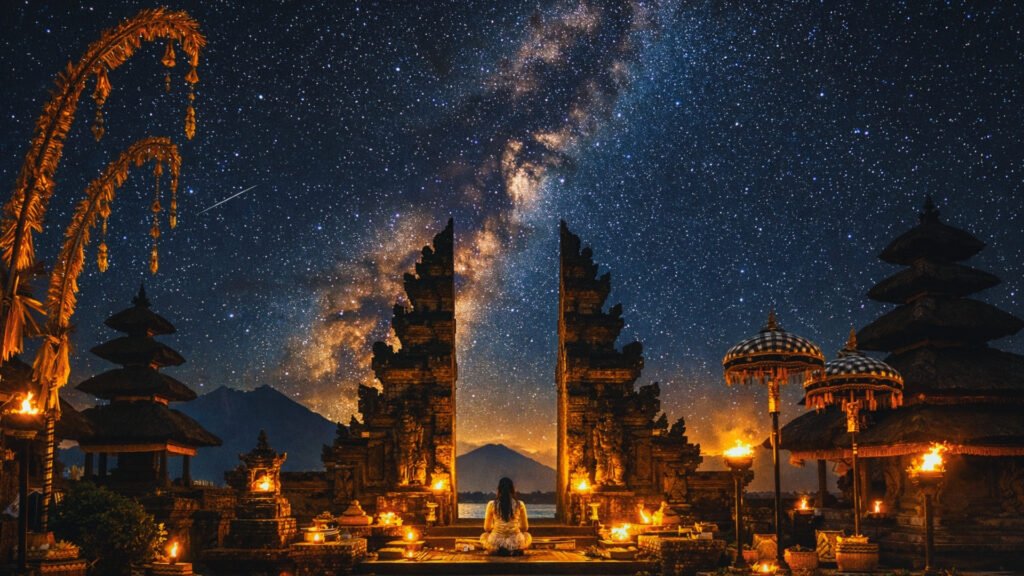
As evening falls on Nyepi, Bali attempts to minimize all light. Street lamps are turned off. Households cover their windows or keep lights very dim so that from outside, the island looks pitch black. Hotels will draw curtains and may ask guests to keep indoor lighting low. Step outside (on your hotel grounds only) and you’ll notice an incredible sight – a sky full of stars. With zero light pollution, the Milky Way becomes vividly visible over Bali. Many travellers describe this stargazing during Nyepi as a highlight of their trip.
Quiet as a whisper:
During the day, Bali’s usual soundtrack (roosters crowing, motorbikes, distant music, chatter) is replaced by pure natural sounds. You might hear insects, birds, and the wind. Conversations indoors should be kept soft. Imagine lounging by the pool and actually being able to hear the flap of a bird’s wings or the breeze in the palm trees because there’s no human noise competing. At night, the silence deepens – it’s truly like the island “goes to sleep”.
All businesses closed:
Shops, restaurants, and entertainment venues are closed for the day. This even includes convenience stores and supermarkets – nothing is open. The only exceptions: emergency services. Hospitals, emergency clinics, police and fire stations maintain a minimal staff for urgent needs. Otherwise, don’t expect to buy anything or be served anywhere off-property. Tourists are expected to have prepared snacks/food or rely on their hotel’s provisions.
It’s important to note that Nyepi’s rules apply to everyone in Bali, including tourists. If you’re visiting, you must not leave your hotel or villa property on this day. This is enforced respectfully but firmly – pecalang might stand guard in towns to ensure foreigners aren’t strolling the streets or hitting the beach. You also shouldn’t play music that could be heard outside or use bright lights that shine outdoors. Essentially, you become part of the island’s silence for a day, as a sign of respect to the culture. Tourists generally embrace this once they understand it – after all, it’s one day of inconvenience for a truly extraordinary experience. [earthtrekkers.com]
Experiencing Nyepi as a Traveller: Finding Comfort in the Quiet
Spending Nyepi in Bali requires a bit of planning and the right mindset, but it can be extremely rewarding. Here’s how to make the most of it and ensure you’re comfortable:
Choose the right accommodation:
Since you’ll be staying put for 24 hours, pick a hotel or villa that you’ll enjoy being “stuck” in. Ideally, it should have a pleasant environment, maybe nice views or a garden, and provide basic amenities during Nyepi (like meals or an in-room dining option). Many travellers opt for resorts or private villas specifically to ride out Nyepi in comfort. For instance, if you stay in a luxury villa resort such as One Eleven Resorts in Seminyak, you’ll have your own private pool and spacious villa to relax in – an oasis of privacy and comfort. One Eleven is an adults-only retreat with just a handful of villas, each equipped with a 14-metre private pool, in-villa massage service, and even its own kitchenette. That means on Nyepi you could float in your private pool in utter peace/ With such facilities, the Day of Silence can feel like a divine personal retreat rather than a restriction.
If you’re in a private rental villa or Airbnb, make sure to stock up on groceries and supplies by the evening before Nyepi, since you won’t be able to step out to buy anything on the day. Many seasoned visitors hit the supermarket the day prior to get snacks, fruits, bottled drinks, etc. Likewise, if your accommodation doesn’t have a generator, have some candles or a flashlight just in case – even though power isn’t cut off, many people turn lights off, and it gets very dark at night.
Check your hotel’s Nyepi arrangements:
Most hotels and resorts prepare well for Nyepi. Larger hotels often have reduced but functional service: they might operate with skeletal staff (often staff stay on-site overnight so they don’t travel during Nyepi). Many hotels continue to serve meals to guests on Nyepi, though it could be via room service only or set menus at specific times.
At One Eleven Resorts, being a small boutique property, the experience is very intimate. While it’s not marketed as a Nyepi package per se, the resort’s normal setup is ideal: you have a private pavilion with an open-air living room and pool, so you can spend the day reading by the pool, doing yoga on your deck, or watching movies on the flat-screen in your villa without ever needing to go outside. The staff can deliver meals like breakfast or dinner to your villa so that you dine in privacy. And since One Eleven’s concept is all about exclusivity and seclusion, Nyepi fits right in – the quietude on that day enhances the resort’s zen vibe.
Embrace the spirit of Nyepi: Perhaps the best advice is to approach Nyepi with an open mind and heart. Instead of seeing it as a day where you “can’t do anything,” view it as a rare opportunity for digital detox and slow living. You literally have permission to do nothing. How often do we get that?